

Are you gearing up for outpatient surgery and wondering what to wear? You’re not alone! Many people find themselves puzzled about the best clothing choices for their procedure. The right outfit can make a big difference in your comfort and ease during the experience.
This article will guide you through the essentials of dressing for outpatient surgery. You’ll learn about fabrics that breathe and styles that allow for easy movement. Plus, we’ll cover what to avoid to ensure a smooth process. By the end, you’ll feel confident and prepared for your surgery day.
Key Takeaways
- Comfort is Key: Opt for loose-fitting, soft, and breathable fabrics that allow for easy movement and comfort during recovery.
- Practical Clothing Choices: Choose button-up or zip-up tops for easy access to examination areas, and avoid clothing with tight fittings or complicated fastenings.
- Safety Matters: Steer clear of accessories like jewelry and wear easy-to-slip-on shoes to prevent complications during the procedure.
- Consult Your Healthcare Provider: Pay attention to any specific clothing recommendations provided by your medical team to ensure optimal comfort and compliance.
- Evaluate Your Outfit: Before surgery day, check that your chosen outfit meets all comfort and accessibility needs for a smooth experience.
Understanding Outpatient Surgery
Outpatient surgery refers to procedures where patients don’t stay overnight in a hospital. You’ll arrive at the surgical center, undergo surgery, and return home the same day. This type of surgery is often less invasive, resulting in quicker recovery times. Common examples include cosmetic procedures, endoscopies, and minor orthopedic surgeries.
Choosing the right attire for outpatient surgery is essential. Comfortable, loose-fitting clothes made from breathable fabrics work best. Prioritize clothes that allow easy movement, as you may have limited mobility post-surgery. Opt for tops that button or zip in the front, making it simpler to change and access any bandages or incisions.
Avoid clothing items that are tight or difficult to remove. Stay away from accessories like jewelry or heavy belts, as these can complicate the procedure. If you plan to wear shoes, choose easy-to-slip-on options, as bending might be limited after surgery.
Preparing for your surgical day involves more than just your outfit. You may receive specific instructions from your healthcare provider. Pay attention to any recommendations regarding specific fabrics, colors, or styles, as these can impact your comfort during recovery.
Importance Of Proper Attire
Proper attire for outpatient surgery plays a crucial role in ensuring comfort and safety during your procedure. Choosing the right clothing contributes to a positive surgical experience.
Recommended Products
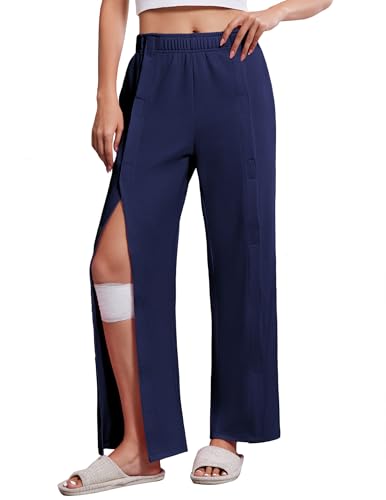
Soft & Breathable Fabric: Our Women's Cotton Tear-Away Pants are made of 60% polyester, 35% cotton, and 5% spandex. These medical hypoallergenic fabrics are soft, breathable, moisture-wicking, anti-pill and wrinkle-resistant. Both machine wash and hand wash are available.

Flexible and Comfortable Design: With its round-neck pullover and convenient button closure on the back, the dog recovery suit female offers excellent flexibility, allowing your pet to move freely and comfortably. It’s easy to put on and take off, while the thoughtful design helps the dog surgery suit stay in place as your pet walks, plays, or rests

INNOVATIVE DESIGN: Post-surgery shirts that combine fashion with functionality, catering to specific medical needs. Ideal for those recovering from heart bypass surgery, chemo, dialysis, or sports injuries, these shirts enhance everyday style.
Comfort And Mobility
Comfort and ease of movement matter significantly when preparing for surgery. Wear clothing made from soft, breathable fabrics that don’t restrict your mobility. Opt for loose-fitting tops and bottoms to allow for quick dressing and undressing.
For example, a button-up shirt or a zip-up jacket facilitates access for medical staff during checks. Adjustable waistbands on pants or shorts offer flexibility, enhancing comfort if your body feels different after the procedure. Always prioritize clothing that makes you feel relaxed to reduce any pre-surgery anxiety.
Safety Considerations
Safety is paramount when selecting your outfit for outpatient surgery. Avoid clothing with buttons, zippers, or accessories that could snag on medical equipment or interfere with the procedure. Jewelry, including earrings and necklaces, should be left at home, as these items may pose safety risks.
Footwear also plays a vital role in safety. Choose easy-to-slip-on shoes with non-slip soles. This choice makes it easier to walk, especially if you experience any mobility issues after anesthesia. Wear shoes that don’t require bending down to fasten or tie. Following these guidelines ensures you maintain both comfort and safety throughout your surgical journey.
Recommended Outfit Choices
Choosing the right outfit for outpatient surgery is essential for comfort and ease. Focus on clothing that allows you to move freely and accommodates any medical devices or safety requirements.
Top Options
- Button-Up Shirts: Opt for lightweight, button-up shirts. These are easy to put on and take off, reducing discomfort after anesthesia.
- Loose-Fitting Blouses: Go for soft, breathable blouses. Look for styles without elastic or tight fittings around the neck or shoulders.
- T-Shirts: Choose simple, stretchy t-shirts. Avoid anything with embellishments, as they can snag on medical equipment.
- Soft Sweatpants: Select comfy sweatpants with an elastic waistband. These allow for easy changes and won’t dig in after surgery.
- Loose-Fitting Pajama Pants: Consider lightweight pajama pants. They provide comfort and are easy to remove without hassle.
- Leggings: Pick breathable leggings if they fit loosely. Ensure they don’t restrict movement or become too tight around the ankles.
Check your outfit before surgery day to ensure it meets all comfort and accessibility needs.
Additional Accessories To Consider
Consider accessories that enhance comfort and practicality during outpatient surgery. Choose items that won’t interfere with your procedure while ensuring you feel at ease.
Recommended Products
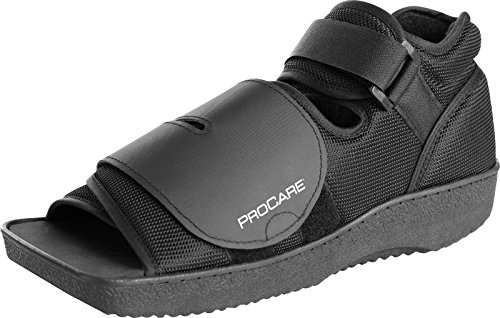
POST-OP FOOT PROTECTION: Squared Toe Post-Op Shoe keeps dressings clean, toes dry, and the foot protected after surgery, injury, or medical procedures.

〓 Comfy wide width Shoes: Upgraded wide toe design keeps your toes in their natural shape without being squeezed. This design helps to alleviate common foot problems like bunion, swollen feet, corns, and calluses, promoting healthier feet over time

Luxury Dual-Strap Slippers: Elevate your home style and timeless elegance with soft ribbed-corduroy fabric and a refined double-strap design. The open toe slippers keeps feet breathable and fresh year-round, ideal for effortless comfort that transitions seamlessly between seasons
Footwear
Select footwear that’s easy to slip on and off, ideal for limited movement after surgery. Options like slip-on shoes, sandals with back straps, or lightweight athletic shoes provide comfort and stability. Avoid high heels or shoes that require shoelaces. Look for non-slip soles to help prevent falls as you walk post-surgery.
Outerwear
Opt for outerwear that adds warmth without adding bulk. Lightweight cardigans or zip-up hoodies work well, as they can be easily removed when necessary. Avoid heavy coats that can make it uncomfortable to sit or lie down. Choose layers that offer convenience, allowing you to adjust based on your comfort level right after the procedure.
Conclusion
Choosing the right outfit for outpatient surgery can make a big difference in your comfort and overall experience. By prioritizing breathable fabrics and loose-fitting styles you’ll not only feel at ease but also ensure that your clothing won’t interfere with the procedure.
Don’t forget to double-check your outfit the night before so you’re all set for surgery day. With the right attire you’ll be able to focus on what really matters—your recovery and getting back to your routine. Remember to keep it simple and comfortable so you can feel confident heading into your appointment. You’ve got this!
Frequently Asked Questions
What should I wear for outpatient surgery?
When preparing for outpatient surgery, choose loose-fitting, comfortable clothes made from breathable fabrics. Opt for tops that button or zip in the front for easy access and avoid tight clothing.
Are there specific clothing items I should avoid?
Yes, avoid tight clothing, accessories like jewelry, and items with buttons or zippers that could interfere with medical equipment. It’s best to choose simple, easy-to-change garments.
What type of shoes are recommended?
Select shoes that are easy to slip on and off, like sandals with back straps or slip-on shoes. Avoid high heels and shoes with laces due to potential mobility issues after surgery.
Why is proper attire important for surgery?
Wearing comfortable and appropriate attire contributes to a smooth surgical experience by ensuring safety and enabling ease of movement during and after the procedure.
How can I ensure my outfit is suitable before surgery day?
Check your clothing choices a day before surgery to ensure they are comfortable, loose-fitting, and easy to change. This will help you feel relaxed and prepared for your procedure.
